Face oil doesn't expire on a fixed date — it goes rancid based on light, heat, and how much air gets into the bottle every time you open it. Store it wrong and a bottle of cold-pressed oil turns rancid in half the time it should last; store it right and it holds up for the full window the formula was built for.
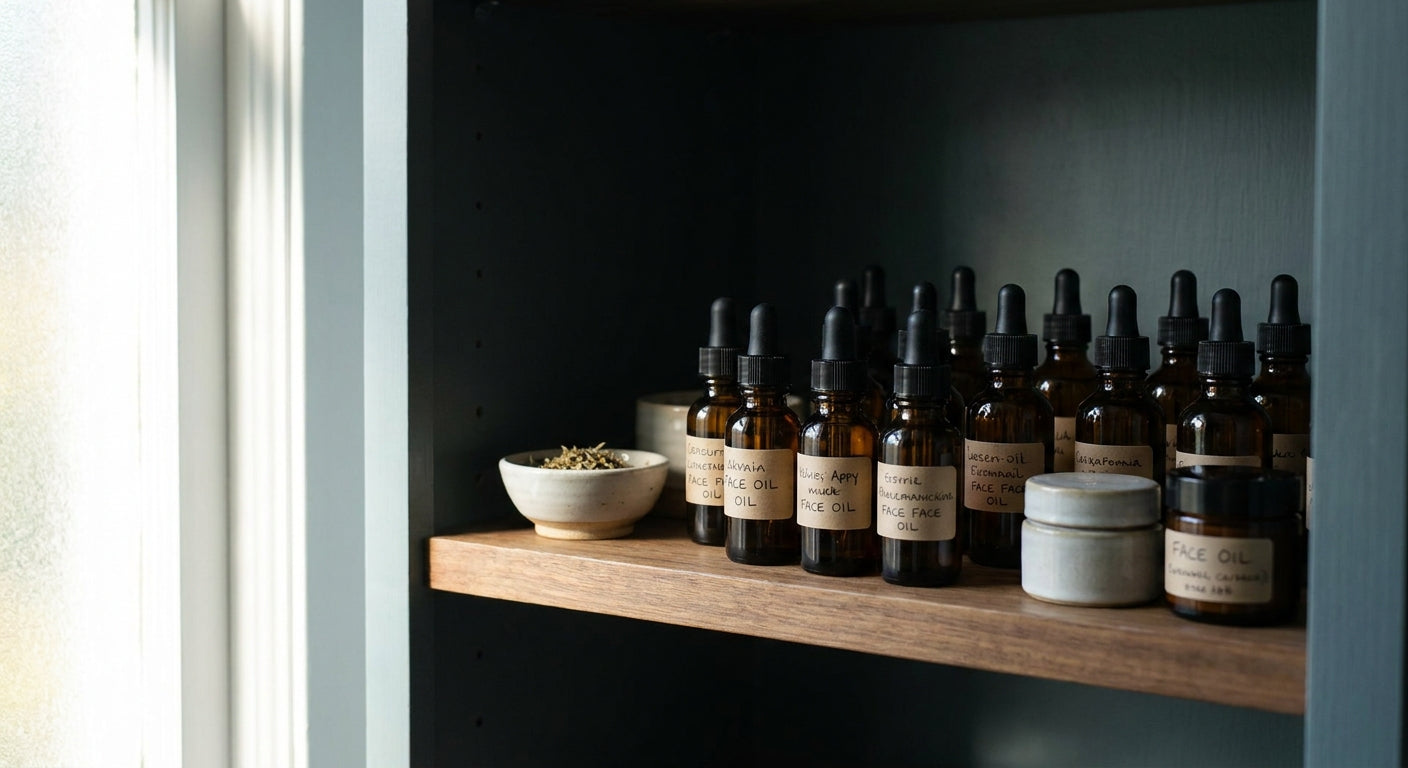
- How to store face oil starts with the original dark glass bottle, capped tight, away from light and heat.
- Cold-pressed oils like All-In-One Facial Oil carry no synthetic preservative system, so oxidation is the real risk, not bacteria.
- Rancid oil smells sharp, like crayons or old nuts — that smell test beats guessing by a date.
- Skip the shower shelf and the windowsill; humidity and heat both speed up oxidation.
- Most opened face oils hold up for 3 to 6 months once air starts getting in regularly.
Why this matters
Face oil is fat, and fat oxidizes. Vitamin E and rosemary extract slow that process in a lot of formulas, but they don't stop it — they buy time. Once oxygen and UV light start breaking down the fatty acids in an oil, the smell changes first, then the texture, then the way it sits on your skin.
Cold-pressed oils are more exposed to this than oils cut with lighter synthetic carriers. All-In-One Facial Oil runs on jojoba, rosehip, and sea-buckthorn oils that are cold-pressed rather than heat-extracted, with no added preservative system beyond what's naturally in the plant. COSMOS Natural certification (Ecocert) means a third party audited that ingredient list and how each oil was extracted. It doesn't mean the bottle is immune to bad storage.
That's the trade with a natural formula. Read the INCI, check the certification, and store the bottle the way this guide lays out — the plant does the work, storage decides how long that work lasts.
What you'll need
- The original bottle and dropper — glass blocks UV better than the clear plastic sample vials some brands ship in
- A shelf away from direct sunlight and away from the shower, radiator, or windowsill
- Dry hands or a dry dropper — water introduced into the bottle speeds oxidation and can introduce bacteria
- A Sharpie or a phone note marking the month you opened the bottle
- Two minutes, twice — once to set up the storage spot, once a month to check the oil
If you're storing a daily-use oil like Nourishing Facial Oil, which runs eleven cold-pressed oils in one bottle, the same routine applies — more oils in the blend doesn't mean more fragile, it just means more surfaces exposed to air once the seal is broken.
The steps
1. Keep it in the original bottle, capped tight
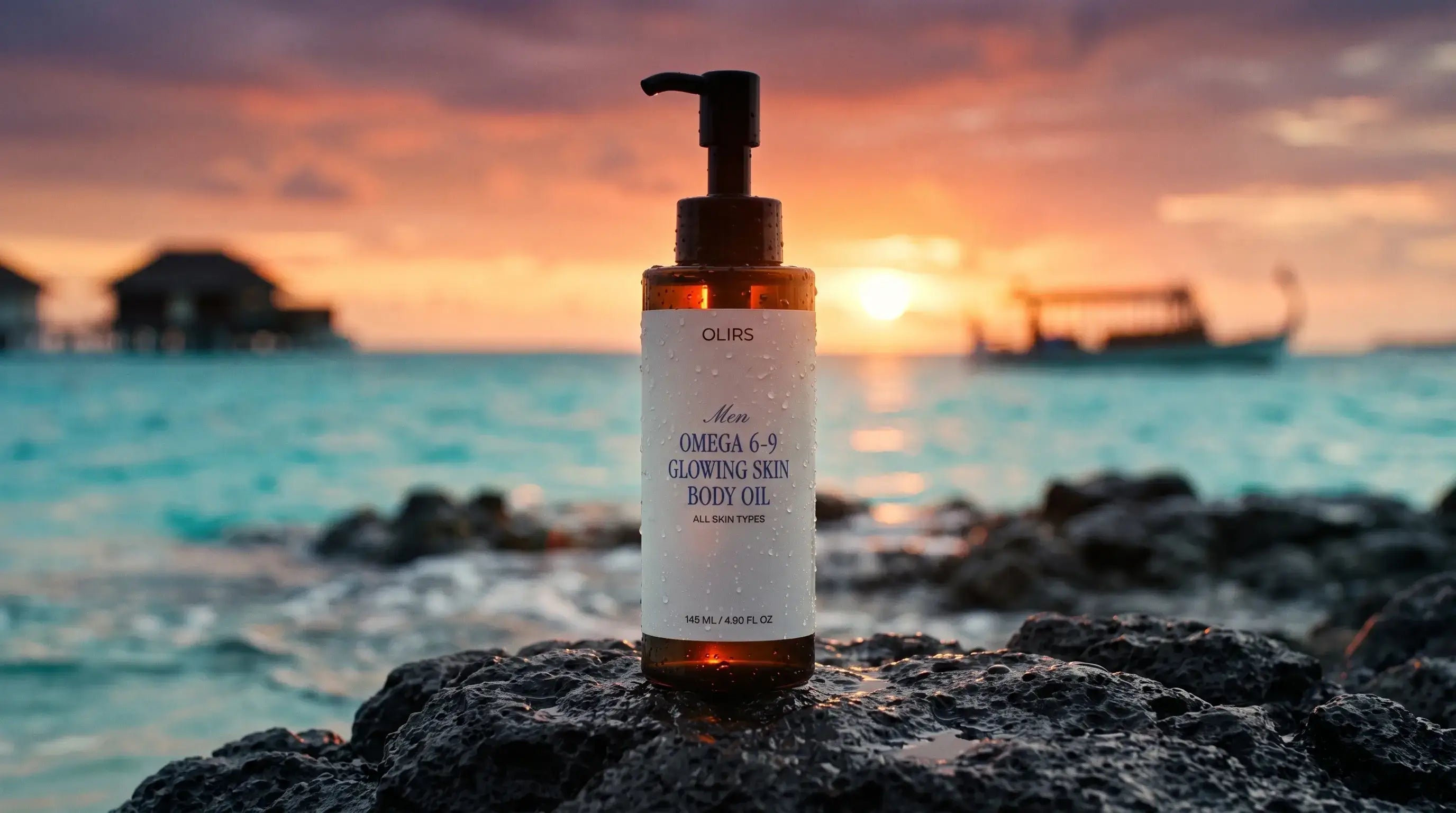
The bottle it ships in is tinted for a reason — amber or dark glass filters out the UV wavelengths that trigger oxidation fastest. Decanting into a clear travel bottle for a trip is fine short-term, but don't make it the permanent home. Screw the cap on fully after every single use; a loose cap lets air exchange happen slowly even when the bottle looks closed. Common mistake: leaving the dropper cap resting on top instead of twisted shut, which happens more than people admit.
2. Move it off the bathroom shelf
Bathrooms run hot and humid every time someone showers, and both conditions accelerate oxidation. A bedroom dresser or a closed cabinet away from a radiator keeps the oil in a stable temperature range. Room temperature, roughly 60–75°F (15–24°C), is the target — not the mid-90s a bathroom hits mid-shower in 2026's summer months. Common mistake: storing it right next to the mirror, which is usually the warmest, steamiest spot in the room.
3. Skip the fridge unless the label says otherwise
Cold temperatures slow oxidation, which sounds useful, but jojoba-heavy blends contain wax esters that solidify below about 50°F (10°C) and can separate or cloud. Unless a product specifically calls for refrigeration, a cool, dark cabinet does the job without the texture problems. Common mistake: assuming colder is always safer — it isn't, for oil.
4. Keep water out of the bottle
Wet fingers on the dropper, condensation from a steamy bathroom, or rinsing the dropper tip under the tap all introduce moisture. Water in an oil-based formula creates an environment where bacteria can grow, separate from the oxidation issue entirely. Wipe the dropper dry before it goes back in the bottle. Common mistake: rinsing the dropper to keep it clean and putting it back wet.
5. Write the open-date on the bottle
A facial oil sitting sealed and unopened can hold for well over a year, but the clock changes the moment air starts getting in regularly. Mark the month you opened it directly on the bottle or the box. This single habit answers the question everyone eventually asks: is this still good? Common mistake: relying on memory three months in — nobody remembers correctly.
6. Do the smell-and-look check monthly
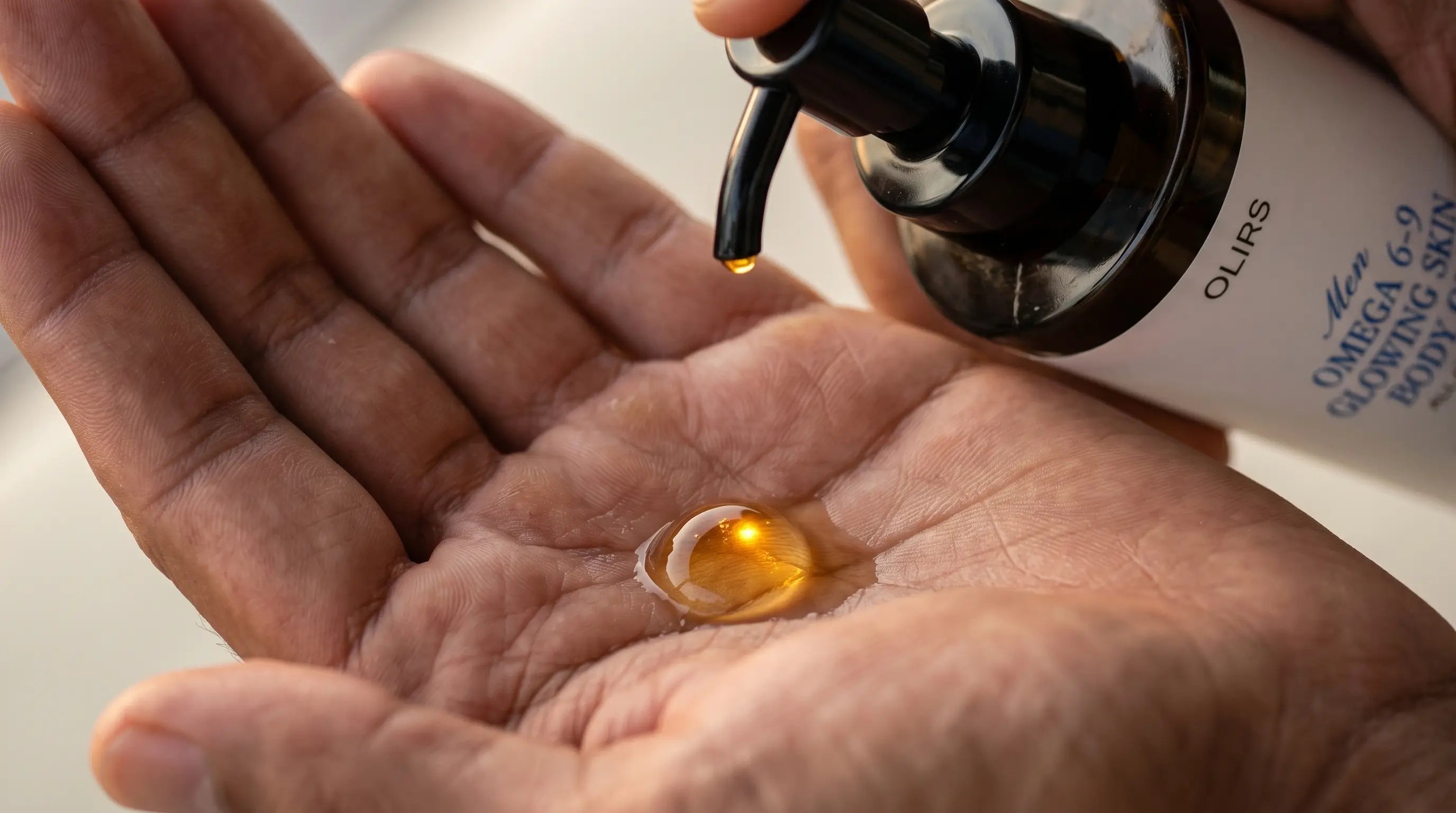
Once a month, open the bottle, take a drop out, and actually smell it before applying. Fresh cold-pressed oil smells mild, slightly nutty or earthy depending on the blend. Rancid oil smells sharp — like crayons, old paint, or stale nuts. Color shifting notably darker or texture turning tacky instead of silky are the other two flags. Common mistake: applying on autopilot without checking, which is how a rancid oil ends up on skin for weeks before anyone notices.
7. Use it up inside the window
Most opened face oils are good for 3 to 6 months once air exposure becomes regular — sooner if storage has been inconsistent, longer if it's been kept cool, dark, and capped tight every time. A bottle that's half full at the 5-month mark is a signal to finish it rather than let it sit. Common mistake: buying a second bottle as backup and letting the first one age out before it's opened.
“If it smells like crayons, it's rancid — that's the only test you need.”
Troubleshooting
The oil smells slightly different after two months. A little drift in scent is normal as natural oils age even under good storage — the difference between drift and rancid is sharp versus subtle. If it's still mild and nutty, it's fine.
The oil turned cloudy after sitting somewhere cold. Jojoba-based blends solidify or cloud below roughly 50°F (10°C). Warm the bottle between your palms for a minute; it should clear back up. That's a temperature reaction, not spoilage.
There's separation at the top of the bottle. Multi-oil blends with six or more oils naturally separate slightly over weeks. Shake gently before each use — it's not a defect, it's what happens when you combine oils with different densities.
It feels heavier and sits greasy overnight instead of absorbing. That's usually the first physical sign of oxidation starting. Combined with a sharper smell, it's time to stop using that bottle.
The bottle's been sitting in a steamy bathroom for months. Move it today, then run the smell-and-look check immediately rather than waiting for the next scheduled check — months of humidity exposure shortens the timeline.
You can't remember when you opened it. Without a marked date, treat any bottle you're unsure about as past the 6-month mark and check it carefully before using. When in doubt, the smell test settles it.


Tools and resources
- The original amber or dark glass bottle and dropper — the packaging is doing storage work, not just branding
- A cabinet or drawer that stays under roughly 75°F (24°C) year-round
- A Sharpie for the open-date, or a phone reminder set for month three
- The product's INCI list, checked once so you know exactly which oils you're storing and roughly how stable they are
What to do next
If storage is sorted and you're still deciding which oil fits your skin in the first place, the more useful next step is matching the formula to the actual problem — dull, tired-looking skin needs a different oil profile than reactive or easily irritated skin does. That's covered in a face oil guide built around dull, tired-looking skin, including which oils in a blend do what.
FAQ
How long does an opened face oil last?
Most opened face oils last 3 to 6 months once air starts getting into the bottle regularly. Cool, dark storage and a tight-fitting cap push that toward the longer end; heat and humidity push it toward the shorter end.
Does face oil need to be refrigerated?
No, not unless the product label specifically says so. Jojoba-heavy blends can cloud or solidify below about 50°F (10°C), so a cool cabinet at room temperature works better than a fridge for most facial oils.
How do you know if face oil has gone rancid?
Smell it before you apply it. A sharp, crayon-like or stale-nut smell is the clearest sign of rancidity, and a noticeably darker color or tacky texture usually shows up alongside it.
Is it bad to keep face oil in the bathroom?
Yes, for long-term storage. Bathrooms run hot and humid every time someone showers, and both heat and humidity speed up oxidation. A bedroom drawer or cabinet keeps the oil in a more stable temperature range.
Do natural face oils go rancid faster than synthetic ones?
Cold-pressed natural oils generally have less synthetic preservative backup than oils cut with stabilized carriers, so storage habits matter more with a natural formula. Certification like COSMOS Natural confirms what's in the bottle; it doesn't extend shelf life on its own.
Can you still use face oil if it's separated?
Yes, in most cases. Multi-oil blends with several plant oils naturally separate slightly over time. Shake the bottle gently before each use; separation alone isn't a sign of spoilage.
What's the best container for storing face oil?
The original amber or dark glass bottle is the best container, because tinted glass filters UV light that speeds oxidation. Avoid transferring it long-term into clear plastic travel bottles.
Does an unopened face oil expire?
An unopened, sealed bottle can hold well past a year if it's kept away from heat and direct light. The clock really starts once the seal is broken and air begins reaching the oil regularly.
One last thing
Only two products in the current catalog can trace every oil back to a growing region and a pressing method: All-In-One Facial Oil and Gentle Cleansing Milk. That's not a marketing gap — it's a data gap, and it means those two bottles are the ones where cold-pressed isn't just a word on the label, it's a documented step you can ask about. Storage habits matter most on exactly those bottles, since there's no synthetic system covering for a bad shelf.